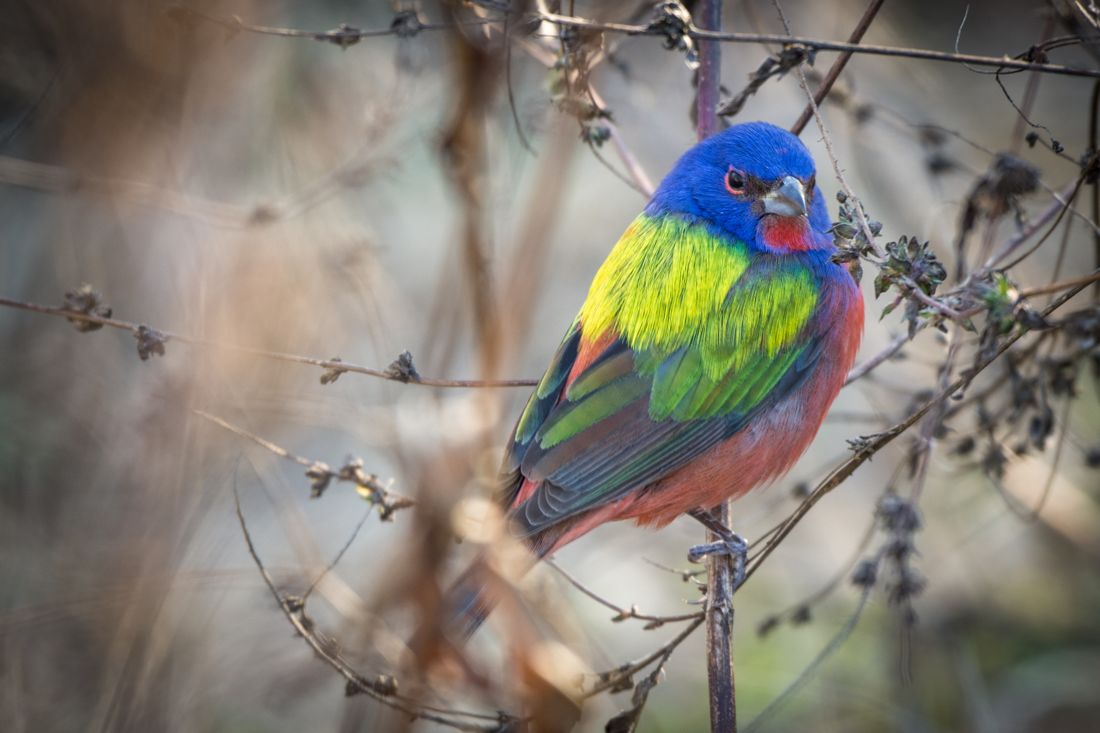
Field guide · Wildlife
Birding the Texas Hill Country
What you can see each month — the resident birds, two signature breeding birds found here and hardly anywhere else, and the spring and fall migrations. This is a planning guide, not a guarantee: what turns up depends on habitat, rain, temperature and the week’s weather.
Birding conditions today
For the middle of the Hill Country, near Kerrville. The first two hours after sunrise are usually the best of the day.
This is weather and light from Open-Meteo, not a report of birds seen. We do not have live sightings.
Month by month
The two signature birds
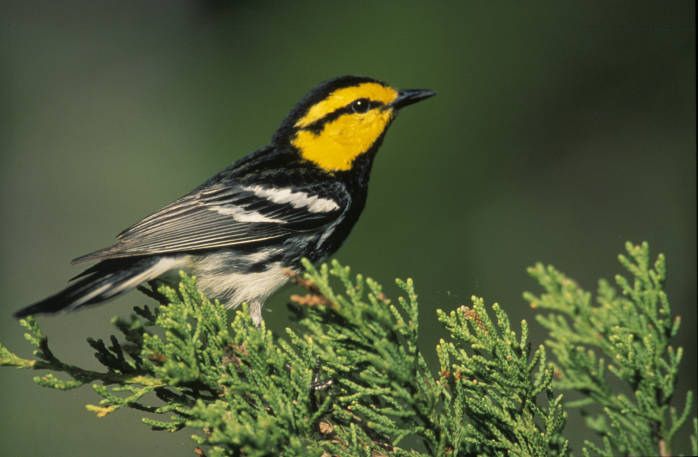
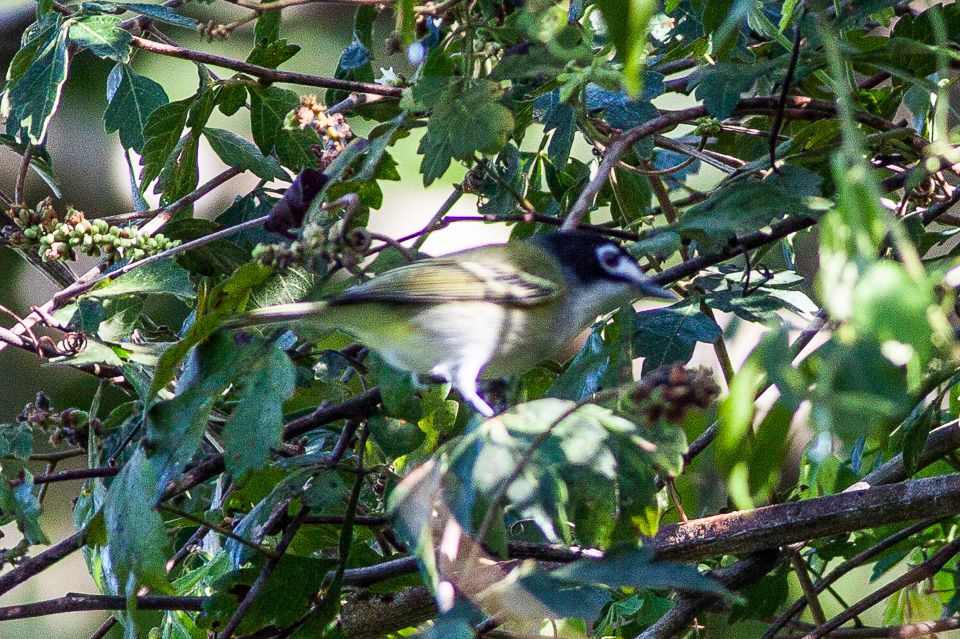
Both nest in the Hill Country in spring and summer, and both are why serious birders come. Neither is easy: you will usually hear them before you see them, if you see them at all.
Every bird in this guide
All 34 birds on this page in one place. Tap the gold button to hear one. Listen at home to learn the songs; in the field, you will usually hear a bird long before you see it.
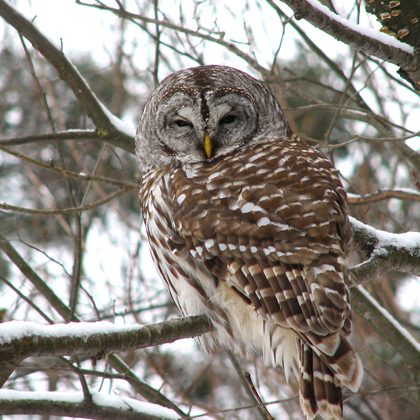 Barred OwlStrix varia
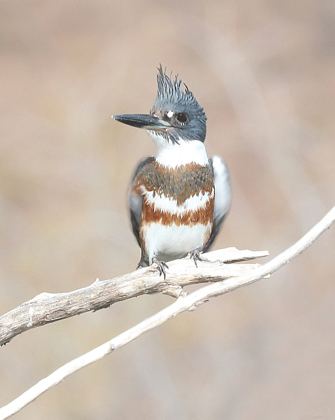 Belted KingfisherMegaceryle alcyon
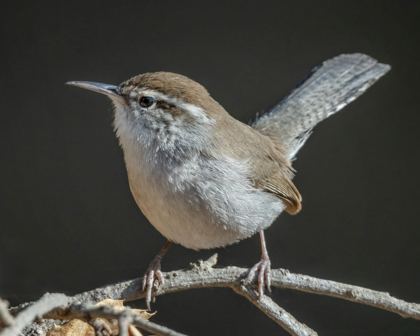 Bewick’s WrenThryomanes bewickii
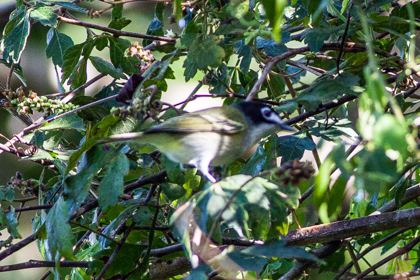 Black-capped VireoVireo atricapilla
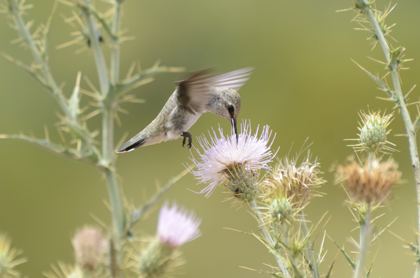 Black-chinned HummingbirdArchilochus alexandri
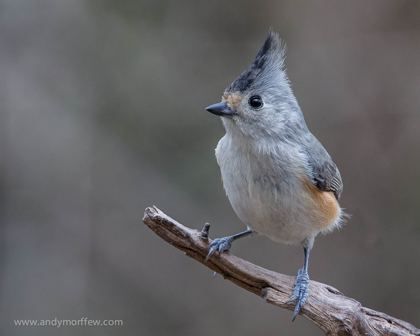 Black-crested TitmouseBaeolophus atricristatus
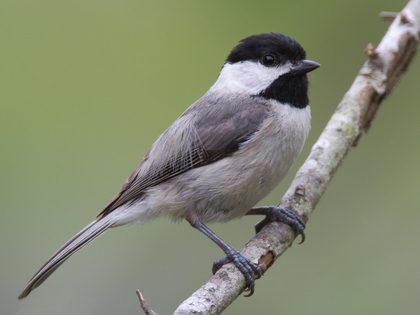 Carolina ChickadeePoecile carolinensis
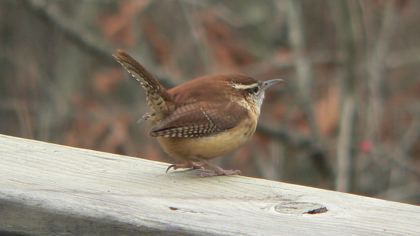 Carolina WrenThryothorus ludovicianus
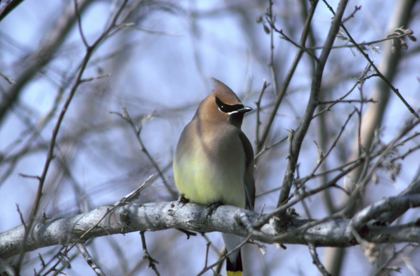 Cedar WaxwingBombycilla cedrorum
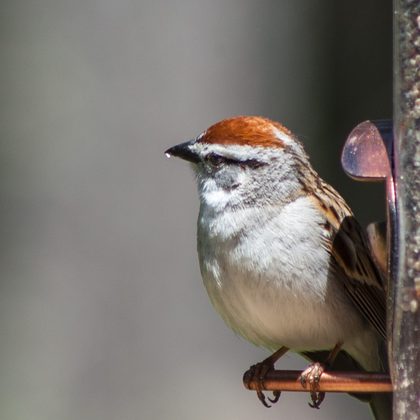 Chipping SparrowSpizella passerina
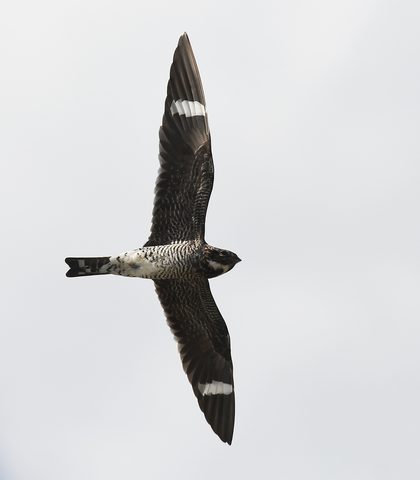 Common NighthawkChordeiles minor
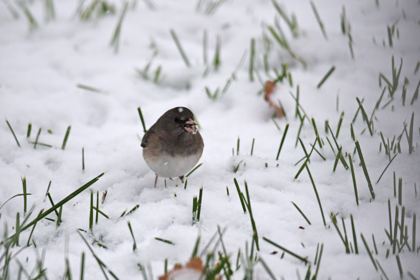 Dark-eyed JuncoJunco hyemalis
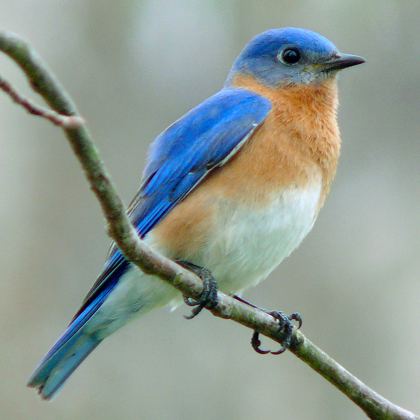 Eastern BluebirdSialia sialis
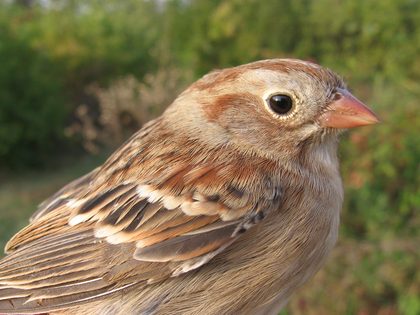 Field SparrowSpizella pusilla
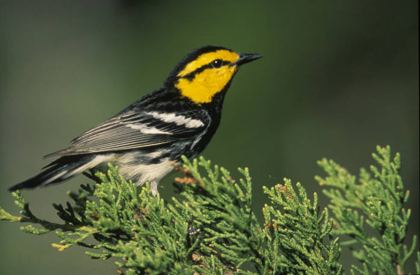 Golden-cheeked WarblerSetophaga chrysoparia
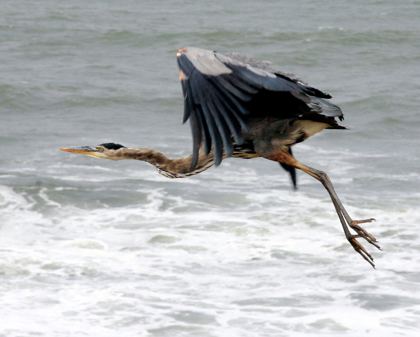 Great Blue HeronArdea herodias
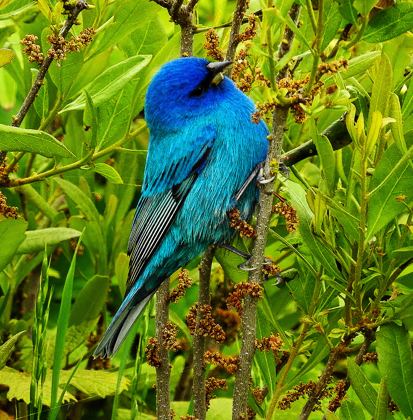 Indigo BuntingPasserina cyanea
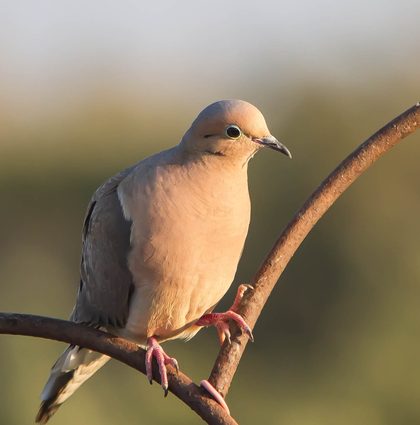 Mourning DoveZenaida macroura
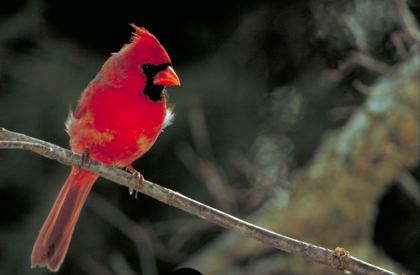 Northern CardinalCardinalis cardinalis
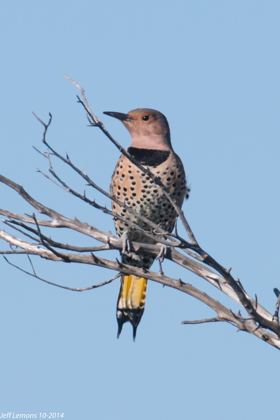 Northern FlickerColaptes auratus
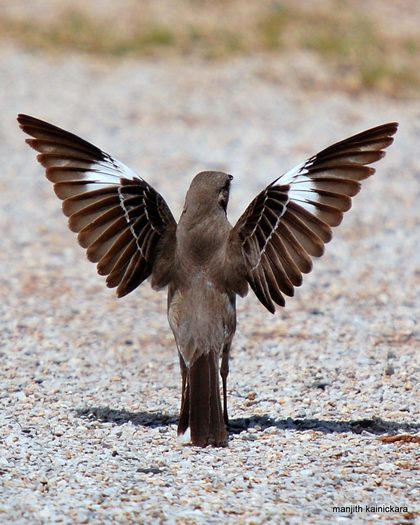 Northern MockingbirdMimus polyglottos
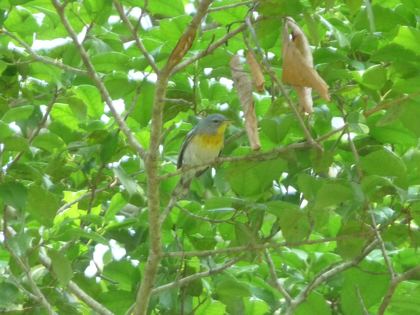 Northern ParulaSetophaga americana
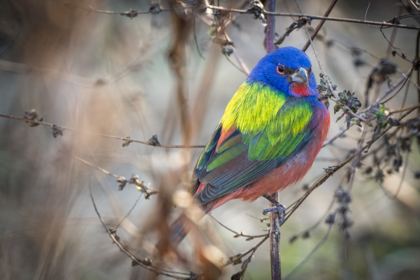 Painted BuntingPasserina ciris
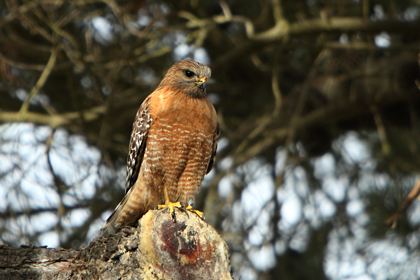 Red-shouldered HawkButeo lineatus
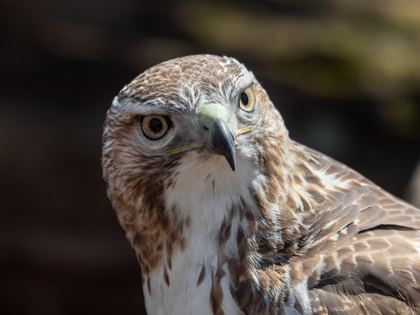 Red-tailed HawkButeo jamaicensis
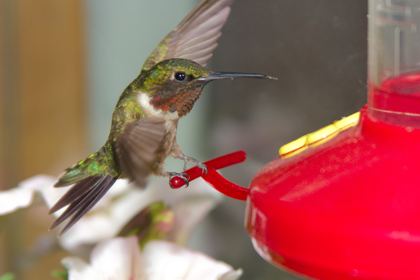 Ruby-throated HummingbirdArchilochus colubris
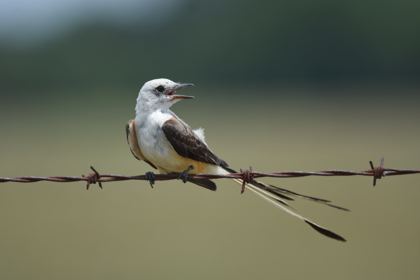 Scissor-tailed FlycatcherTyrannus forficatus
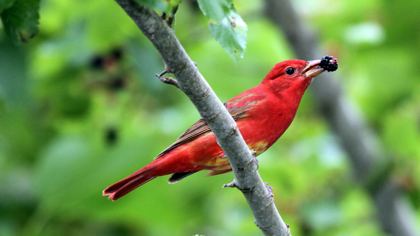 Summer TanagerPiranga rubra
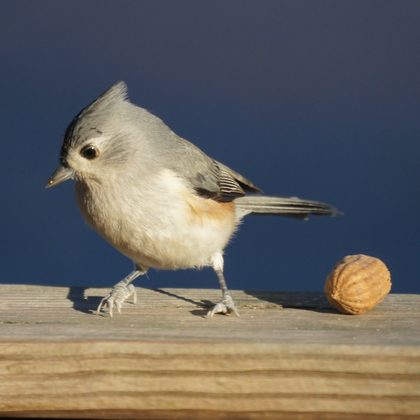 Tufted TitmouseBaeolophus bicolor
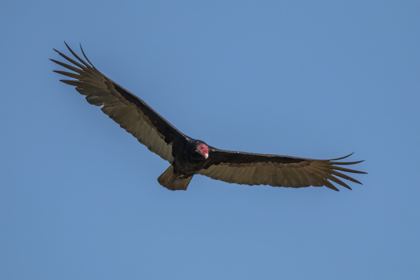 Turkey VultureCathartes aura
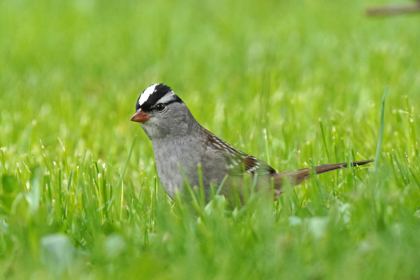 White-crowned SparrowZonotrichia leucophrys
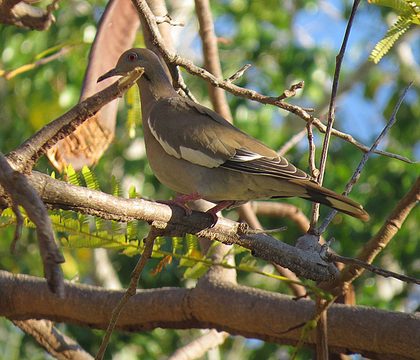 White-winged DoveZenaida asiatica
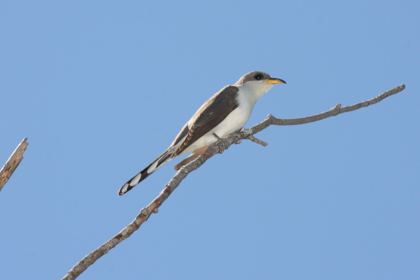 Yellow-billed CuckooCoccyzus americanus
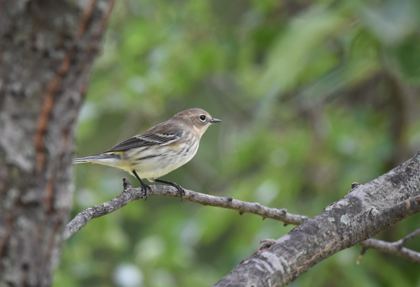 Yellow-rumped WarblerSetophaga coronata
Where to look, by habitat
Match the habitat to the bird. A list of what is here this month is only half the answer; the other half is where to stand.
Golden-cheeked Warbler, titmice, wrens, woodpeckers, vireos, warblers.
Waterthrushes, kingfishers, herons, flycatchers, warblers, vireos.
Scissor-tailed Flycatcher, kingbirds, meadowlarks, sparrows, raptors.
Ducks, herons, kingfishers, waders, swallows — and shorebirds when the edges are right.
Vultures, raptors, swifts, ravens, and the birds of rocky ground.
Hummingbirds, orioles, buntings, cardinals, wrens and passing migrants.
Places to start
Public places with their own page here. Check each for hours, fees and access before you go.
Established in 1992 to protect nesting grounds of the Golden-cheeked Warbler and the Black-capped Vireo — old Ashe juniper and oak woodland, canyons, and miles of foot trails. No pets.
Open → Park · VanderpoolLost Maples State Natural AreaCanyon woodland along the Sabinal that is habitat for the Golden-cheeked Warbler and Black-capped Vireo. Trails are steep in places.
Open → Park · Johnson CityPedernales Falls State ParkA bird blind and a butterfly garden, on top of the falls and the river.
Open → Park · HuntKerr Wildlife Management AreaTexas Parks and Wildlife’s 6,459-acre research area at the head of the North Fork of the Guadalupe — deer, turkey and migratory birds.
Open → Park · FredericksburgFredericksburg Nature CenterEleven habitats in ten acres on Live Oak Creek — prairie, savannah, wetland, old live oaks — with benches along a mile of trail.
Open → Park · BoerneThe Cibolo Center for ConservationTallgrass prairie, a marsh and the banks of Cibolo Creek on more than 100 acres, with trails and a nature center.
Open →More: Wildlife & nature centres · every park.
Time of day, and what to bring
Bird it gently
- Give nesting birds room. Back off if a bird is calling in alarm or keeps returning to the same spot.
- Keep nest sites to yourself. Do not post the location of a nest or a rare bird; crowds do the damage.
- Stay where the public is allowed. Most of the Hill Country is private ranch land. Bird from roads and public land, and leave gates as you found them.
- Go easy on playback. Playing a recording to draw a bird in stresses it, and many parks ask you not to.
Share your birding with the Hill Country
Spotted a Painted Bunting at the feeder or heard your first Golden-cheeked Warbler of spring? Post your sightings, photos and questions in our Texas Hill Country Community group — there is always someone who knows the bird.
Birding from the porch
Houses we manage where wildlife comes to you — bring the binoculars.
Spectacular views and sunsets await you at this beautiful secluded home set high against a mountain side on 16 acres…
See the house →Located just 10 miles form Fredericksburg, this three bedroom, and two-and-a-half bath spacious country home is the…
See the house →This Hill Country getaway near Sabinal is truly special! Every stick of lumber in Lantana Lodge is a labor of…
See the house →Imagine a private riverside resort, a kid-friendly and pet-friendly hideaway loaded with luxurious amenities, and tons…
See the house →Welcome to Red Cloud Cabin — a pet-friendly, rustic creek-side hideaway in the Hill Country with 500 feet of…
See the house →Wildlife82wildlife housesOpen the list →Sources
The calendar follows the patterns Texas Parks and Wildlife publishes: spring migration runs broadly from late February through May, with fall migration spread across late summer and autumn. TPWD: timing of selected spring migrants · TPWD birding resources · Texas Highways. Last checked 2026-10-11.
Photos (resized for this page): Golden-cheeked Warbler: U.S. Fish and Wildlife Service, CC BY 2.0; Black-capped Vireo: Ron Knight, CC BY 2.0; Painted Bunting: Andrew C, CC BY 2.0; Summer Tanager: Greg Schechter, CC BY 2.0; Indigo Bunting: Becky Harrison / USFWS, Public domain; Black-chinned Hummingbird: Vickie J Anderson, CC BY-SA 4.0; Ruby-throated Hummingbird: Scott Kuhl, CC0; Scissor-tailed Flycatcher: Andy Reago & Chrissy McClarren, CC BY 2.0; Northern Cardinal: Thomas G. Barnes / USFWS, Public domain; Carolina Wren: Ken Thomas, Public domain; Black-crested Titmouse: Andy Morffew, CC BY 2.0; Bewick’s Wren: Sue Cook / Channel City Camera Club, CC BY 2.0; Northern Flicker: Jeff Lemons / USFWS, Public domain; Eastern Bluebird: Ken Thomas, Public domain; Cedar Waxwing: David Menke / USFWS, Public domain; Yellow-rumped Warbler: Andy Reago & Chrissy McClarren, CC BY 2.0; White-crowned Sparrow: Courtney Celley / USFWS, Public domain; Dark-eyed Junco: Courtney Celley / USFWS, Public domain; Red-tailed Hawk: Rhododendrites, CC BY-SA 4.0; Red-shouldered Hawk: Alan Vernon, CC BY 2.0; Turkey Vulture: Charles J. Sharp, CC BY-SA 4.0; Great Blue Heron: Steve Jurvetson, CC BY 2.0; Belted Kingfisher: Alan Schmierer / USFWS, Public domain; Yellow-billed Cuckoo: Dominic Sherony, CC BY-SA 2.0; Northern Parula: Virginia State Parks (vastateparksstaff), CC BY 2.0; Barred Owl: D. Gordon E. Robertson, CC BY-SA 3.0; Carolina Chickadee: Dan Pancamo, CC BY-SA 2.0; Chipping Sparrow: Paul VanDerWerf, CC BY 2.0; Common Nighthawk: Wildreturn, CC BY 2.0; Field Sparrow: PookieFugglestein, CC0; Mourning Dove: Dawn Beattie, CC BY 2.0; Northern Mockingbird: Manjithkaini, CC BY 3.0; Tufted Titmouse: Mike's Birds, CC BY-SA 2.0; White-winged Dove: Dick Culbert, CC BY 2.0.
Recordings from Xeno-canto, played in its own player: Northern Cardinal: Chuck Davis, XC56221, CC BY-NC-ND 2.5; Carolina Wren: Sue Riffe, XC705805, CC BY-NC-SA 4.0; Northern Mockingbird: Paul Marvin, XC109398, CC BY-NC-ND 2.5; Mourning Dove: Paul Marvin, XC153653, CC BY-NC-SA 3.0; White-winged Dove: Mike Nelson, XC141559, CC BY-NC-SA 3.0; Black-chinned Hummingbird: Ross Gallardy, XC297544, CC BY-NC-SA 4.0; Ruby-throated Hummingbird: Russ Wigh, XC505916, CC BY-NC-SA 4.0; Golden-cheeked Warbler: Daniel Errichetti, XC642582, CC BY-NC-SA 4.0; Black-capped Vireo: Andrew Spencer, XC34848, CC BY-NC-ND 2.5; Scissor-tailed Flycatcher: Mike Nelson, XC56430, CC BY-NC-SA 3.0; Cedar Waxwing: Jeffrey Mann, XC771668, CC BY-NC-SA 4.0; Tufted Titmouse: David Sarkozi, XC233656, CC BY-NC-SA 4.0; Carolina Chickadee: Ko Chie-Jen (Jerome), XC267591, CC BY-NC-SA 4.0; Bewick’s Wren: Thomas Beverly, XC368747, CC BY-NC-SA 4.0; Chipping Sparrow: Andrew Spencer, XC34883; Field Sparrow: Bobby Wilcox, XC475033, CC BY-NC-SA 4.0; Painted Bunting: Jacob R. Saucier, XC404576, CC BY-NC-SA 4.0; Summer Tanager: Mike Nelson, XC141546, CC BY-NC-SA 3.0; Indigo Bunting: Caleb Helsel, XC591677, CC BY-NC-SA 4.0; Yellow-rumped Warbler: William Whitehead, XC701682, CC BY-NC-ND 4.0; Great Blue Heron: Dan Lane, XC155021, CC BY-NC-SA 3.0; Belted Kingfisher: Edward Caillouet, XC443809, CC BY-NC-SA 4.0; Red-tailed Hawk: Mike Nelson, XC141540, CC BY-NC-SA 3.0; Barred Owl: Chris Harrison, XC124067; Common Nighthawk: Timothy Marquardt, XC735866, CC BY-NC-SA 4.0; Eastern Bluebird: Chris Parrish, XC18392, CC BY-NC-ND 2.5; Yellow-billed Cuckoo: Timothy Marquardt, XC736409, CC BY-NC-SA 4.0; Black-crested Titmouse: David Tattersley, XC900110, CC BY-NC-SA 4.0; Northern Parula: Robert Benson, XC210731, CC BY-NC-SA 4.0; Turkey Vulture: Richard E. Webster, XC780516, CC BY-NC-SA 4.0; White-crowned Sparrow: Hal Mitchell, XC288789, CC BY-NC-SA 4.0; Dark-eyed Junco: Jack Hurd, XC201620, CC BY-NC-SA 4.0; Northern Flicker: Paul Marvin, XC452628, CC BY-NC-SA 4.0; Red-shouldered Hawk: L G Price, XC132923, CC BY-NC-SA 3.0.